Category: Hockey
Coaching and player-development content for serious youth hockey people — coaches, parents trying to read the pathway honestly, and players old enough to read it themselves. Written by a coach with 30+ years of professional youth hockey experience.
The focus is the harder, less-glossy material: how to read whether a player is ready to move up vs. when moving up burns them out (playing too high too soon is the most expensive mistake in youth hockey); what the actual pathway from youth hockey through junior (USHL, NAHL, BCHL, NCDC, Tier 3) to NCAA D1, D3, or ACHA looks like in 2026; how to evaluate AAA vs AA vs travel decisions year by year; USA Hockey ADM-aligned practice planning and age-appropriate drill progressions for 8U through 18U; handling parents who challenge your decisions; concussion protocol; goalie evaluation at tryouts. No parent-blog gloss, no superstar fairytales — just what 30 years on the ice teaches you about what actually gets a player to the next level.
-
D1 Hockey Reality: What the Numbers Actually Say
A 30-year youth hockey coach breaks down the real D1 odds, the age windows when scouts evaluate, and the specific skill benchmarks that actually move players up.
-
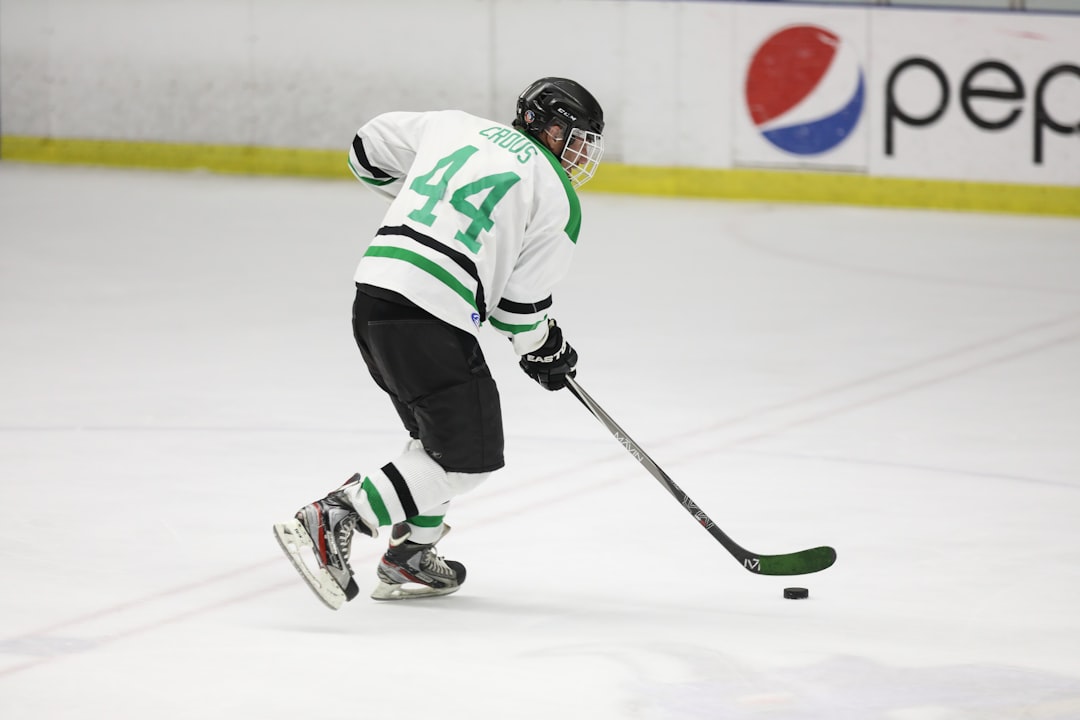
AAA vs AA vs Travel Hockey: A Coach’s Framework
A 30-year youth hockey coach breaks down AAA, AA, and travel placement as a skill-readiness decision—not a prestige ladder—with a year-by-year framework.
-
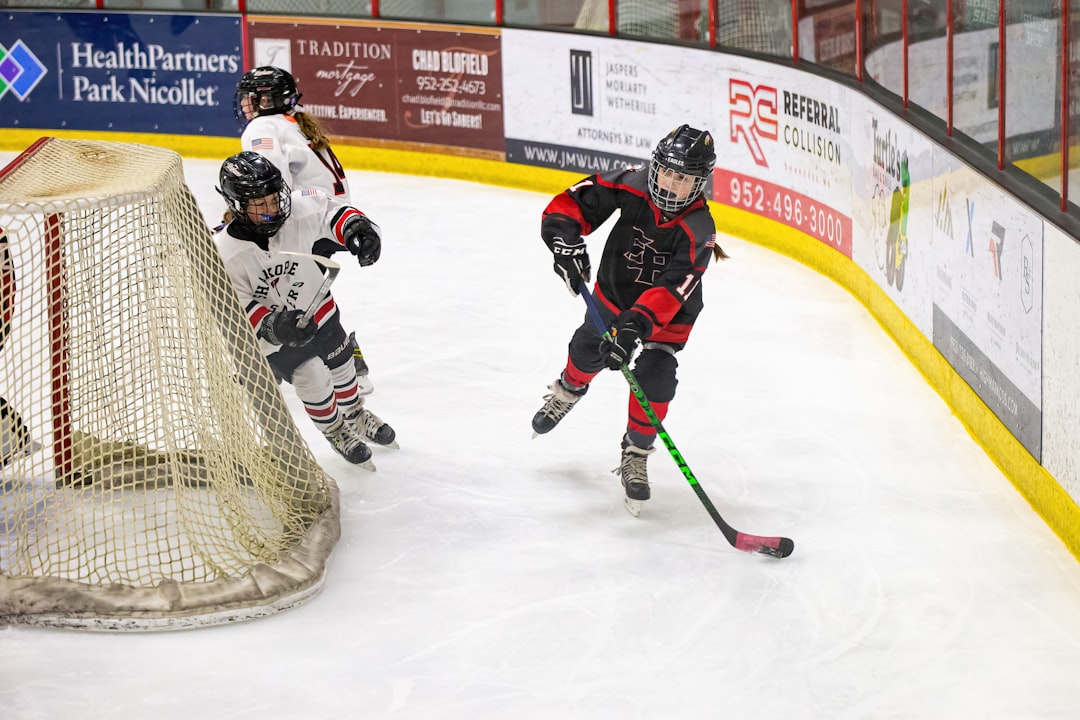
USHL vs NAHL vs BCHL vs NCDC: Which Path Fits
Coach-side breakdown of USHL, NAHL, BCHL, and NCDC: development philosophy, real costs, scout visibility, and how to match your player’s age and ceiling to the right league.
-
AAA Readiness: What Coaches Actually Look For
A 30-year youth hockey coach breaks down the skating, decision-making, and coachability markers that truly signal AAA readiness—and why staying in A is often the smarter call.
-
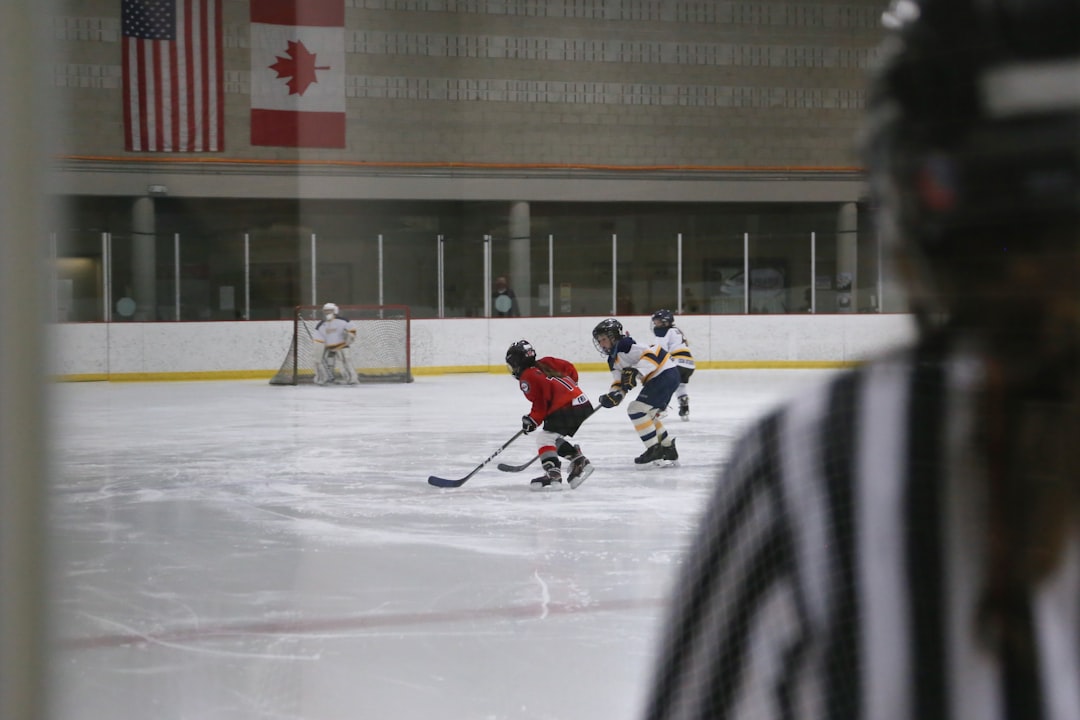
Playing Up in Youth Hockey: Why It Costs More Than You Think
A 30-year youth hockey coach breaks down why playing up too soon damages skating mechanics, raises ACL risk, and costs families $5,000+ in remedial work by age 14.